Wellness Starts at Home: Why Supporting Families Supports our Children
At Organización de Amigos, our work with children has taught us a powerful truth: children are more likely to be healthy and confident in their bodies when the adults and environments around them are supported. Strength, confidence, and resilience are not built in isolation. They are shaped at home, reinforced at school, and sustained by access to basic needs like food security, health education, and opportunities for movement.
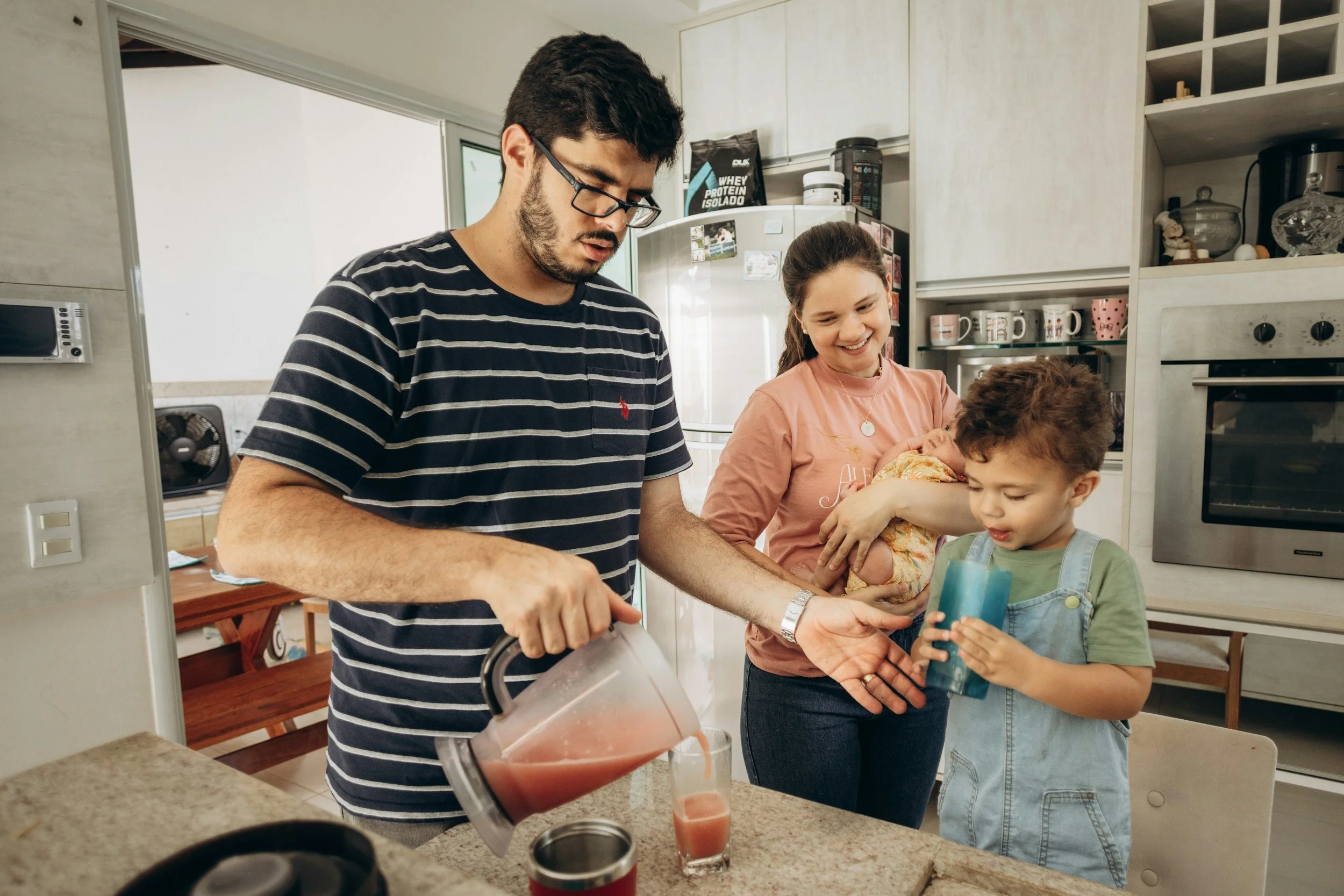
When families are struggling to meet essential needs, through a lack of consistent nutrition, stable housing, healthcare access, or even time and space for their own wellness, children carry that stress with them. On the other hand, when families are supported and empowered with knowledge, resources, and community, children benefit in lasting ways.
What the Research Tells Us
Decades of research in public health, education, and child development confirm that family well‑being is a critical determinant of child outcomes.
Food Security and Nutrition
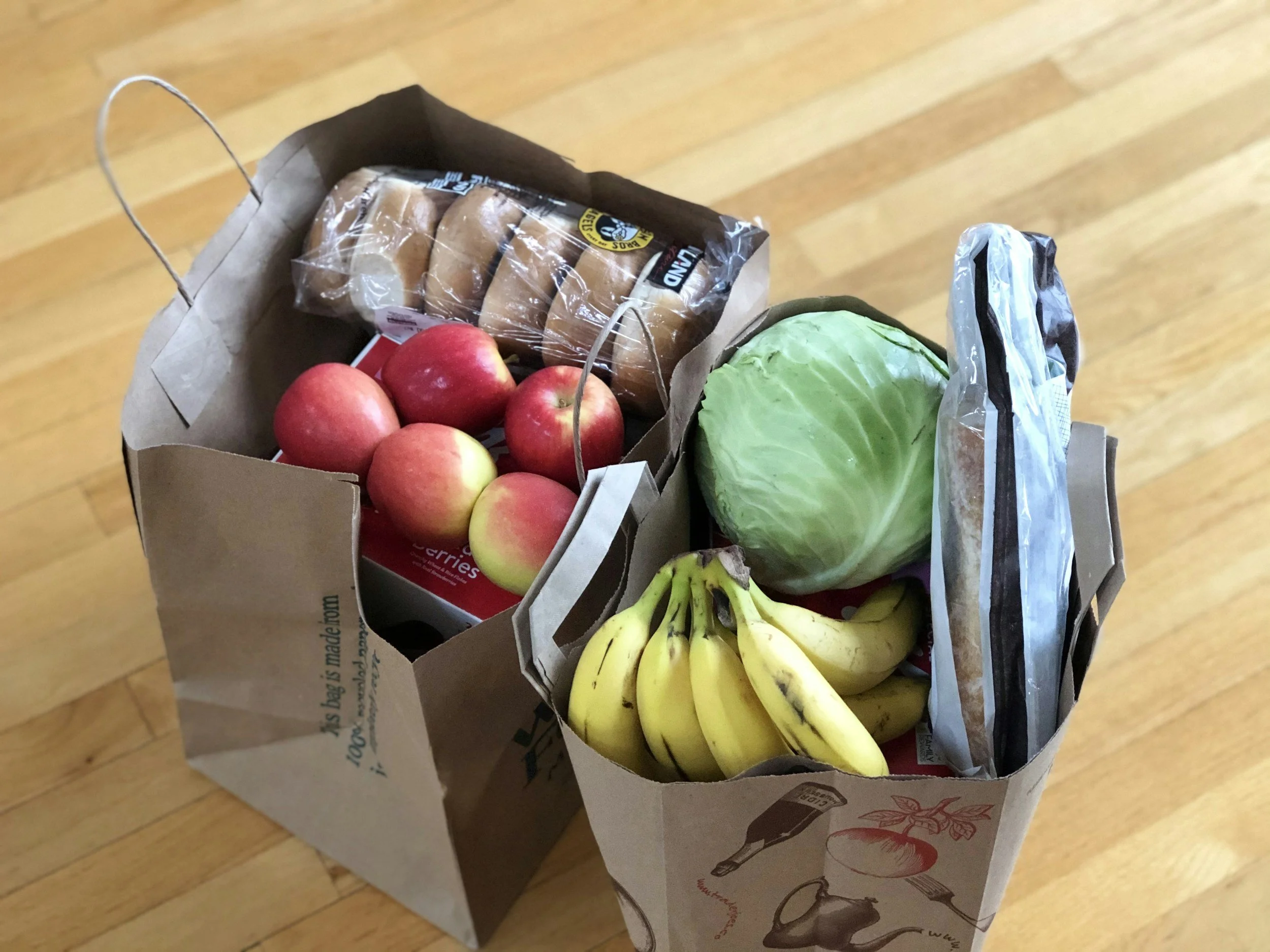
Children living in food‑secure households demonstrate better academic performance, improved emotional regulation, and stronger physical health than peers experiencing food insecurity (Coleman‑Jensen et al.). Chronic food insecurity has been linked to higher stress levels, difficulty concentrating, and increased risk of long‑term health challenges.
When caregivers have access to nutritious food and nutrition education, children are more likely to develop healthy eating patterns early: patterns that track into adolescence and adulthood (Birch and Ventura).
Parental Health and Child Development
Caregiver physical and mental health directly influence a child’s emotional and behavioral development. Research from the Center on the Developing Child at Harvard University shows that supportive, stable adult relationships buffer children from toxic stress and promote healthy brain development (Shonkoff et al.).
When parents and guardians practice positive health behaviors (i.e. regular physical activity, balanced nutrition, stress management) children are significantly more likely to mirror those behaviors (Sallis et al.). Health is modeled before it is taught.
Access to Physical Activity and Wellness Education
Equitable access to quality physical activity programs improves not only physical health but also self‑esteem, academic engagement, and social skills (Janssen and LeBlanc). For families facing economic barriers, school‑based and community‑based programs play a vital role in closing opportunity gaps.
When wellness education is culturally relevant and family‑centered, it becomes more effective and sustainable. Families are more likely to apply what they learn when it respects their traditions, lived experiences, and realities.
Why This Matters for the Children We Serve
The students in our programs show up every day with determination, curiosity, and a willingness to try. For some of them, they do so while navigating challenges that would make it easier to disengage. Many also come from households navigating systemic barriers and have limited access to healthy food, safe spaces for exercise, and affordable wellness education.
We see it in our programs: when a child knows their family has food at home, when a caregiver feels confident preparing nourishing meals, when parents feel welcomed into wellness spaces rather than excluded…children show up differently. They are more focused, more confident, and more willing to take on challenges.
This is why our mission has always extended beyond fitness alone. Movement is powerful, but movement paired with stability, nourishment, and family support is transformational.
Our 2026 Priority: Wraparound Family Wellness Services
In response to both community needs and evidence‑based research, Organización de Amigos has set a clear priority for 2026: the implementation of wraparound family wellness services.
These services include:
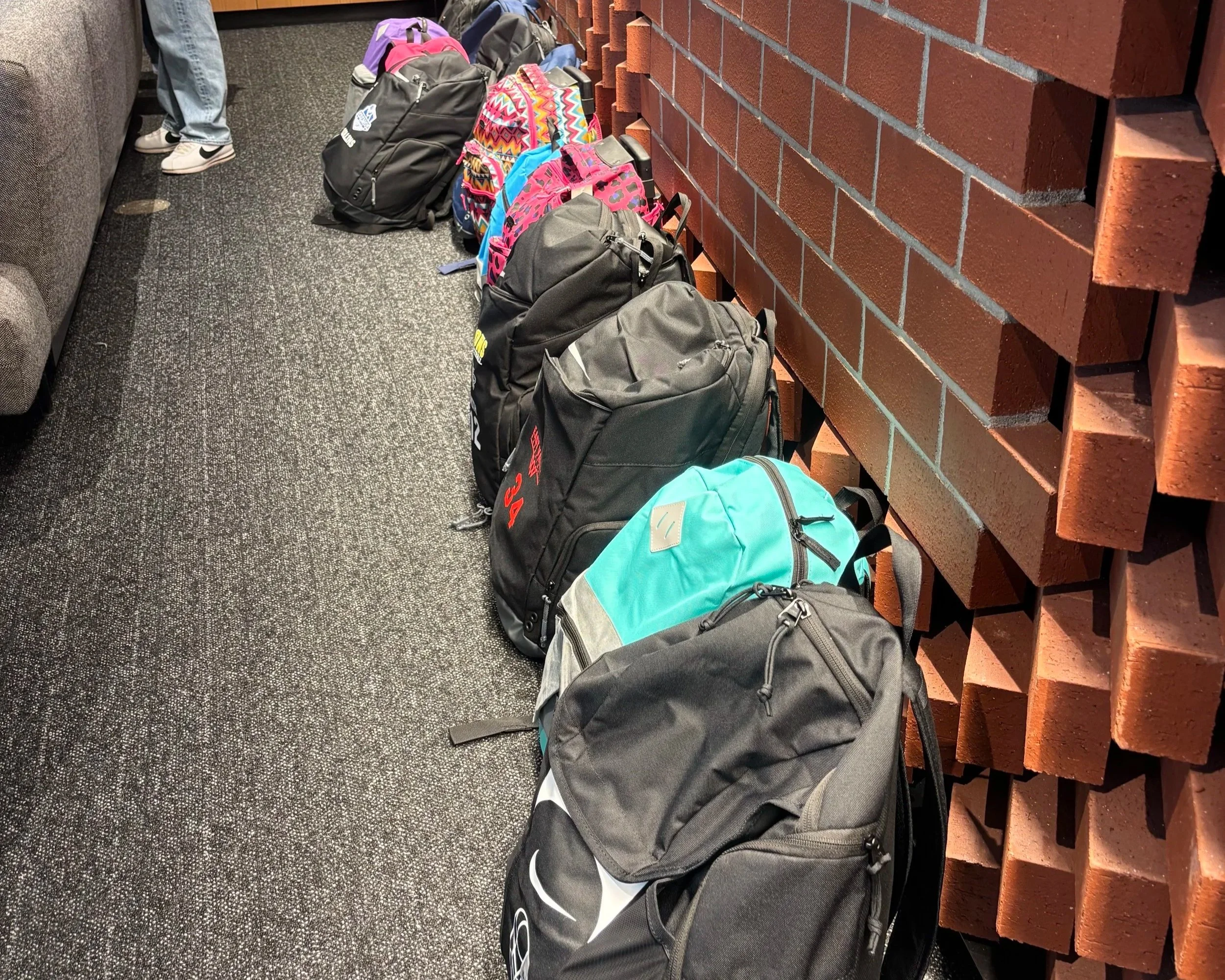
Monthly student food backpacks to support consistent access to nutritious food at home
Family nutrition workshops that honor cultural foods while building practical, sustainable nutrition knowledge
Continued equitable access to high‑quality fitness programming delivered directly within school communities
Our goal is not to “fix” families, but to walk alongside them, providing tools, education, and support that strengthen the entire household. By investing in caregivers, we create environments where children can fully engage, grow stronger, and build lifelong healthy habits.
Looking Ahead
Child wellness does not begin and end in a gym or classroom. It begins at home, supported by informed, resourced, and empowered families. Research is clear, lived experience confirms it, and our community continues to guide us.
As we move toward 2026, our commitment is unwavering: when families are well, children flourish. Wraparound support is not an add‑on to our mission…it is part of our foundation.
References
Birch, Leann L., and Alison K. Ventura. “Preventing Childhood Obesity: What Works?” International Journal of Obesity, vol. 33, no. S1, 2009, pp. S74–S81.
Coleman‑Jensen, Alisha, et al. Household Food Security in the United States. U.S. Department of Agriculture, Economic Research Service, 2019.
Janssen, Ian, and Allana G. LeBlanc. “Systematic Review of the Health Benefits of Physical Activity and Fitness in School‑Aged Children and Youth.” International Journal of Behavioral Nutrition and Physical Activity, vol. 7, no. 40, 2010.
Sallis, James F., et al. “Role of Built Environments in Physical Activity, Obesity, and Cardiovascular Disease.” Circulation, vol. 125, no. 5, 2012, pp. 729–737.
Shonkoff, Jack P., et al. “The Lifelong Effects of Early Childhood Adversity and Toxic Stress.” Pediatrics, vol. 129, no. 1, 2012, pp. e232–e246.