Why Kids Need Strength Training, Not Just Sports
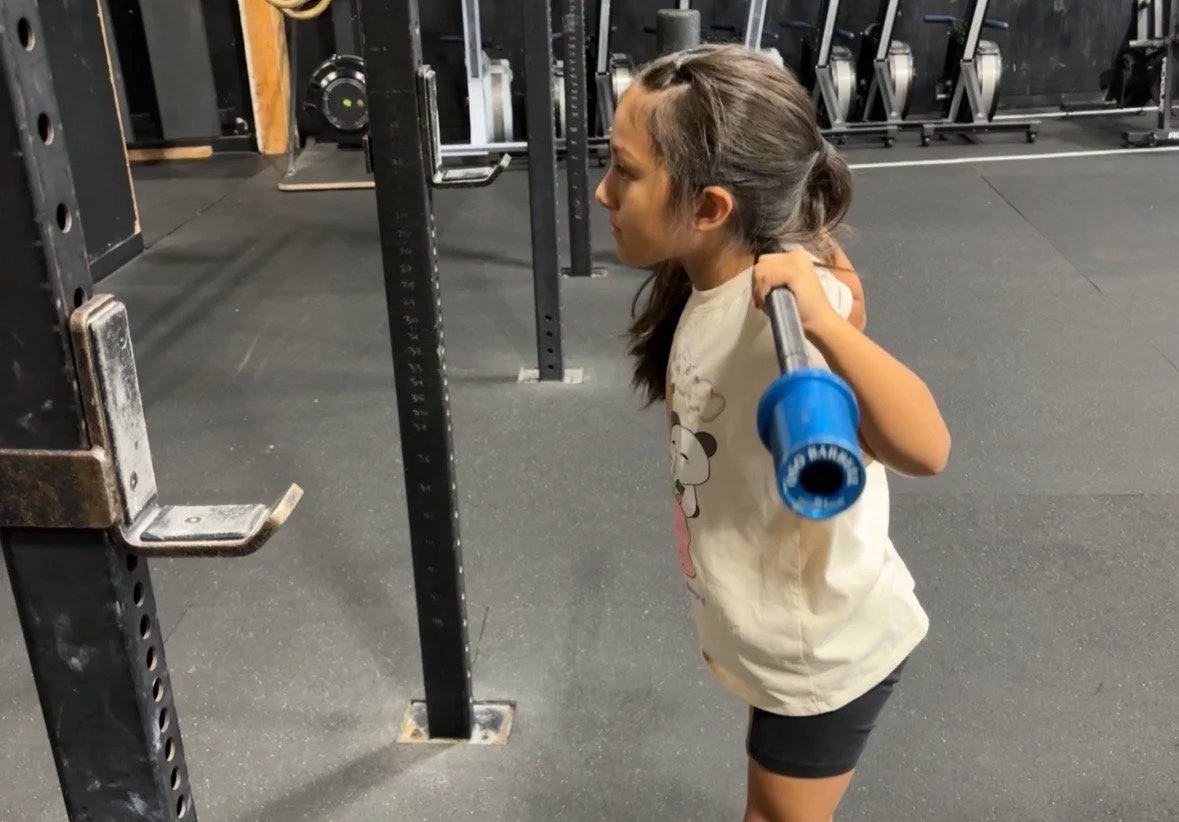
Many parents believe that if their child plays soccer, basketball, football, or another sport, they're getting all the exercise they need. While sports offer many benefits, they don't always build the strength, movement skills, and confidence children need for lifelong health (Faigenbaum et al., 2009).
Age-appropriate strength training helps fill that gap. When properly taught and supervised, it helps children move more efficiently, reduce their risk of injury, build confidence, and establish healthy habits that support them both in and out of the gym (Faigenbaum & Myer, 2010).
Sports Develop Skills. Strength Training Builds the Foundation.
Sports teach children how to play a game. Strength training teaches children how to move.
Running, jumping, squatting, pushing, pulling, balancing, and landing are fundamental movement patterns that support success in nearly every sport. Building these skills early helps children become more coordinated and prepared for a lifetime of physical activity (Lloyd et al., 2014).
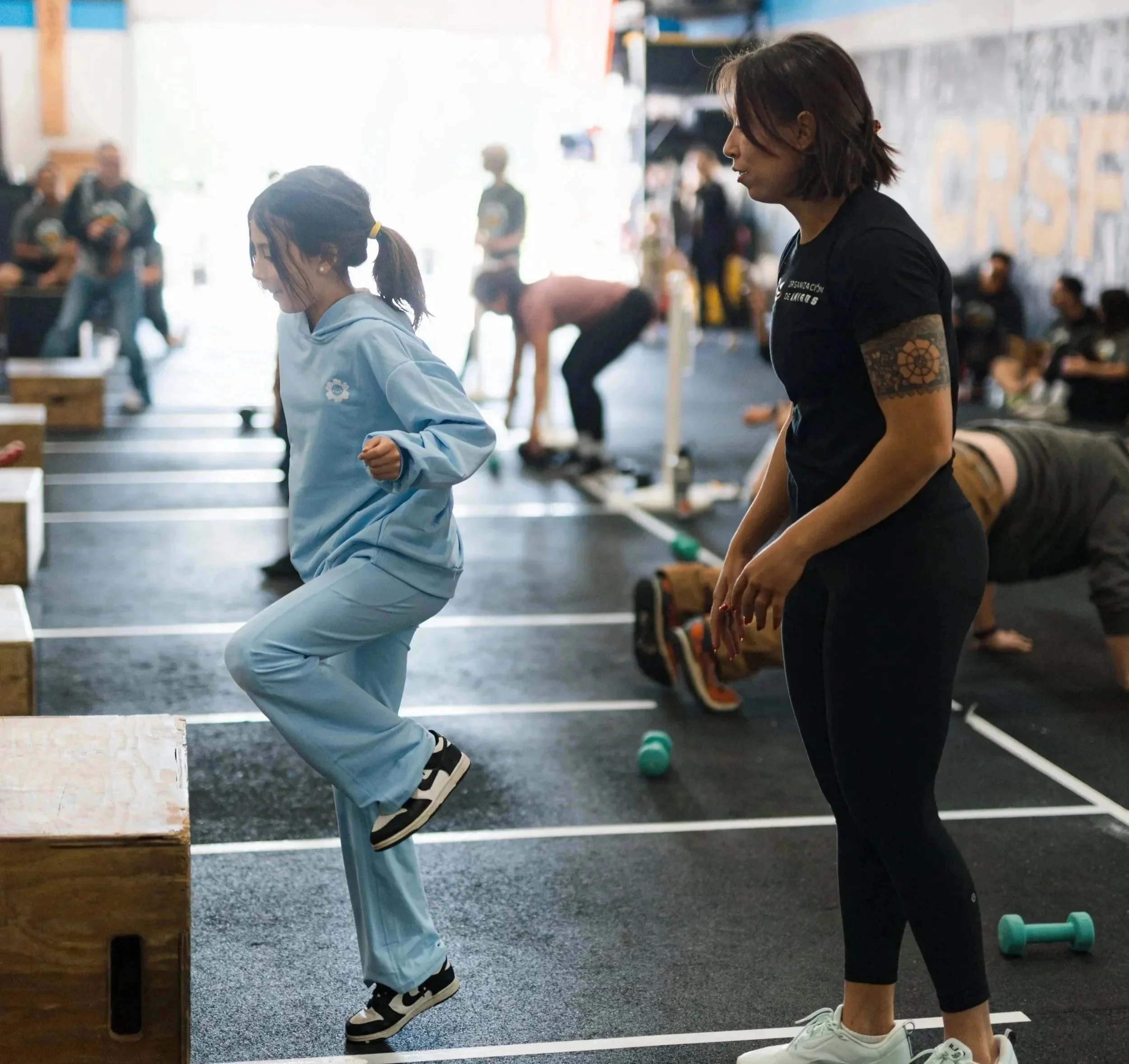
Childhood and adolescence are also important periods for developing strength and bone health. Regular participation in weight-bearing and muscle-strengthening activities during these years supports the development of peak bone mass, which is an important factor in lifelong skeletal health (Weaver et al., 2016). Learning proper movement patterns and strength training techniques at a young age allows children to continue progressing safely as they grow into middle school, high school, and beyond.
Whether a child dreams of becoming a competitive athlete or simply wants to enjoy being active, learning to move well is one of the greatest gifts we can give them.
Strength Training Helps Prevent Injuries
One of the biggest misconceptions is that lifting weights is dangerous for children.
Research consistently shows the opposite. When children participate in properly supervised, age-appropriate strength training, they experience improvements in muscular strength, bone health, balance, coordination, and neuromuscular control while reducing their risk of sports-related injuries (Faigenbaum et al., 2009; Faigenbaum & Myer, 2010).
Rather than replacing sports, strength training helps prepare young athletes for the physical demands of their chosen activities.
Confidence Begins With Competence
One of the greatest benefits we see isn't physical.
It's confidence.
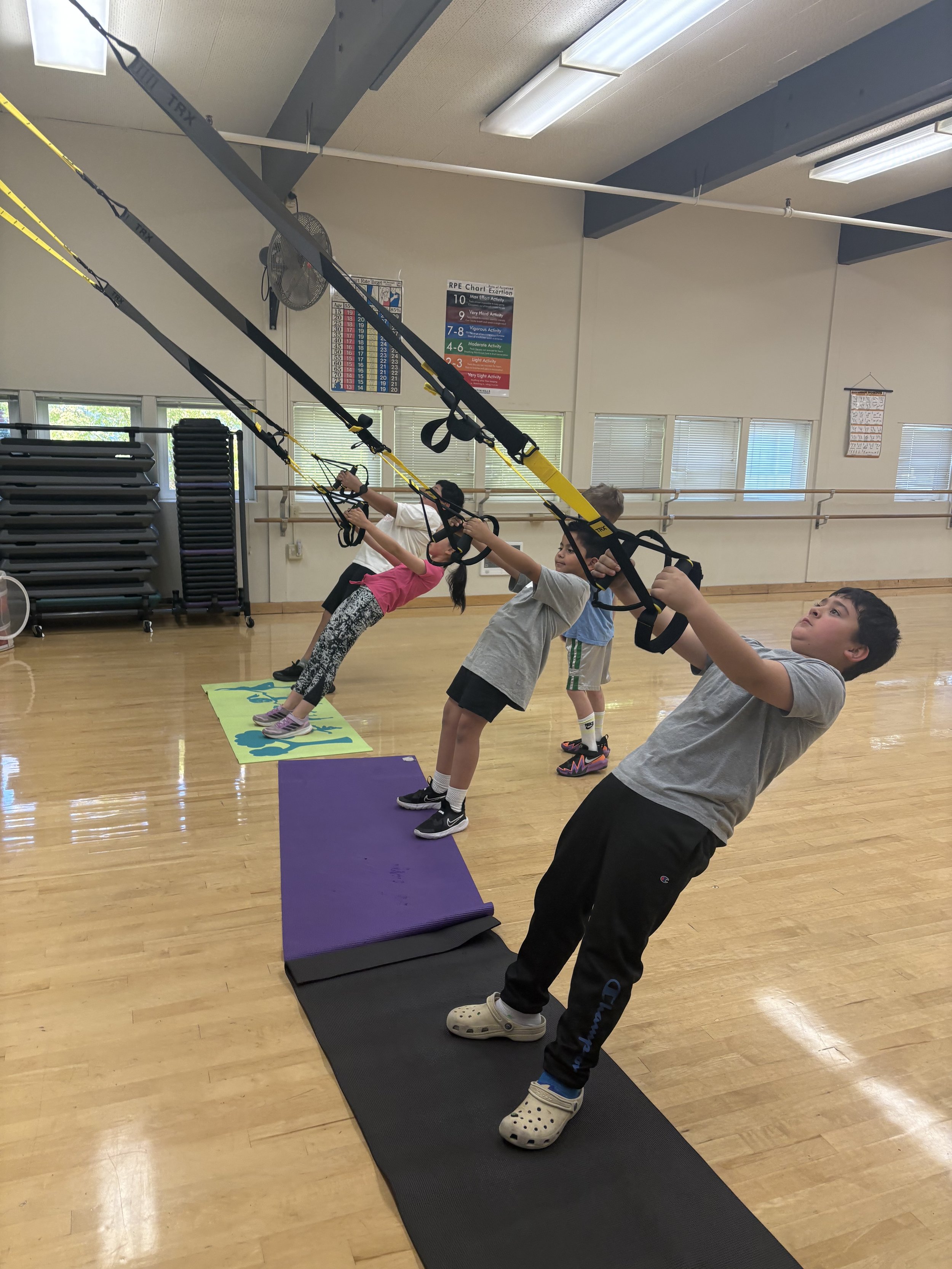
When a child learns a new movement, lifts something they never thought they could, or accomplishes a challenging workout, they begin believing in themselves. Research has found that resistance training can positively influence self-esteem, self-confidence, and overall psychosocial well-being in children and adolescents (Lubans et al., 2010).
That confidence carries into the classroom, friendships, and everyday life.
Strength Training Is for Every Child
At AMIGOS, we believe every child is an athlete. Athletics is not limited to competition or organized sports. Every child has the ability to learn movement, build physical skills, and develop a positive relationship with exercise.
Whether a child is preparing for a sport, discovering physical activity for the first time, or simply building a stronger relationship with movement, every child deserves access to quality strength and fitness education.
Every child deserves the opportunity to feel capable and strong.
It's About Building Healthy Humans
At AMIGOS, our goal isn't to create elite athletes. We are helping children build the foundation for becoming healthy, confident, and capable adults.
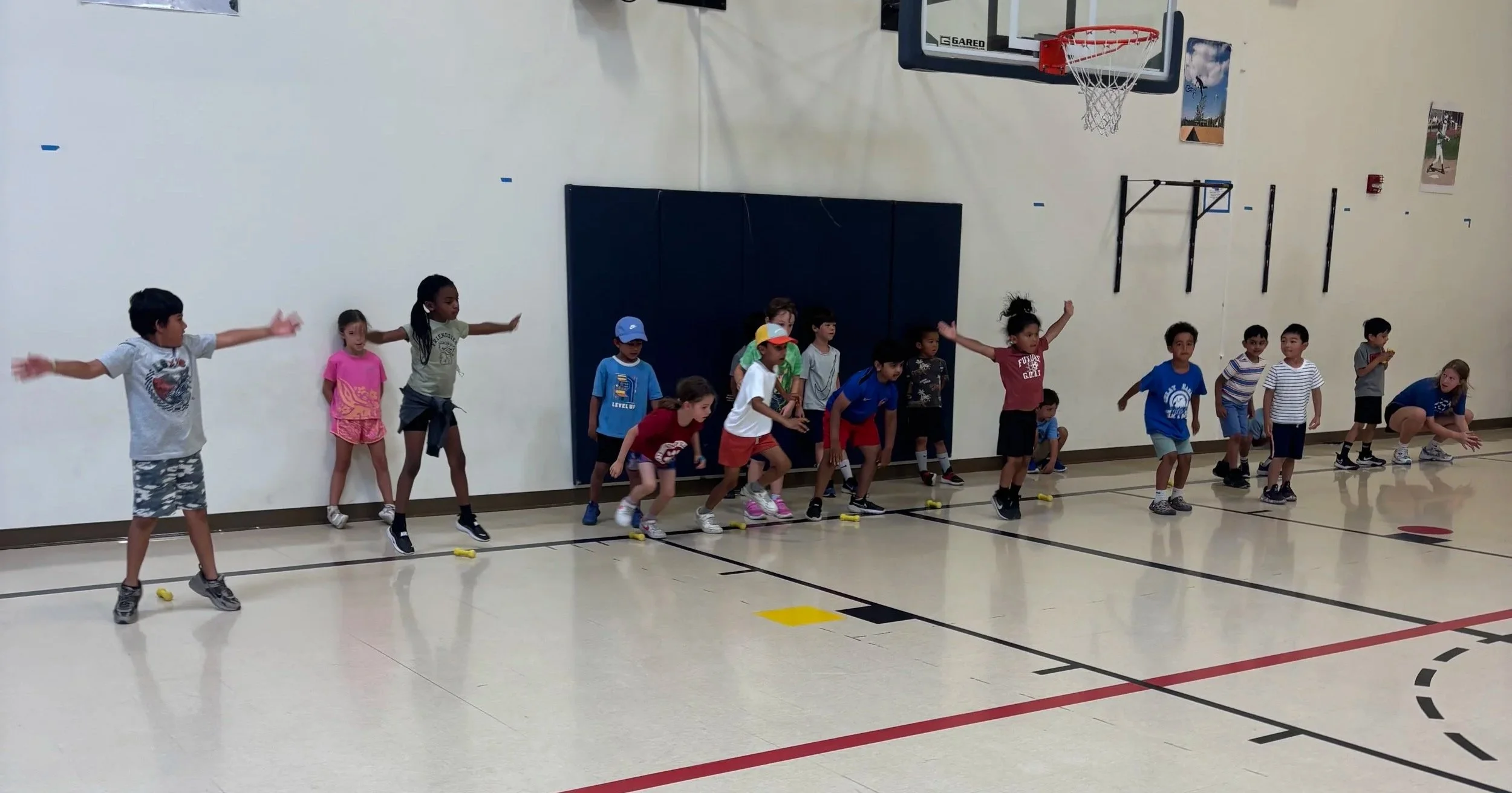
Our goal is to help our children:
Foster a love for movement and understand that they have the tools necessary to become fit for life.
Recognize their own potential and learn that growth comes through effort, practice, and perseverance.
Build confidence by taking on challenges, making mistakes, learning from setbacks, and continuing to improve.
Develop important values such as teamwork, integrity, kindness, and hard work that will support them both in and outside of the gym.
It is through strength training programs, paired with mentorship, that our children can evolve into adults who are confident in their abilities, committed to lifelong wellness, and equipped with the skills to overcome challenges throughout their lives.
References:
Faigenbaum, Avery D., et al. "Youth Resistance Training: Updated Position Statement Paper from the National Strength and Conditioning Association." Journal of Strength and Conditioning Research, vol. 23, suppl. 5, 2009, pp. S60–S79.
Faigenbaum, Avery D., and Gregory D. Myer. "Resistance Training among Young Athletes: Safety, Efficacy and Injury Prevention Effects." British Journal of Sports Medicine, vol. 44, no. 1, 2010, pp. 56–63.
Lloyd, Rhodri S., et al. "Position Statement on Youth Resistance Training: The 2014 International Consensus." British Journal of Sports Medicine, vol. 48, no. 7, 2014, pp. 498–505.
Lubans, David R., et al. "Effects of Resistance Training on Health and Well-Being in Children and Adolescents." British Journal of Sports Medicine, vol. 44, no. 3, 2010, pp. 216–223.
World Health Organization. WHO Guidelines on Physical Activity and Sedentary Behaviour. World Health Organization, 2020.
Weaver, Connie M., et al. “The National Osteoporosis Foundation’s Position Statement on Peak Bone Mass Development and Lifestyle Factors.” Osteoporosis International, vol. 27, 2016, pp. 2043–2057